8 Holistic Tips for Eczema

You have most different forms of eczema. The most common form is Atopic eczema. A form that arises from within. Your gut is home to many “good” but also “bad” bacteria. Normally, the “bad” bacteria are kept in check by the “good” bacteria. The use of antibiotics, long-term use of drugs such as NSAIDs (ibuprofen), a hormone imbalance, high carbohydrate and sugar-rich foods and/or a high intake of alcohol can reduce the number of “good” bacteria, allowing “bad” bacteria to gain the upper hand and increase rapidly. The “bad” bacteria can then make very small holes in the junctions between the cells in your intestinal wall, damaging the intestinal wall. In addition to a growth of “bad bacteria,” the above can also cause the yeast candida to have a chance to proliferate, with the result that candida can also damage the intestinal wall. That way, food particles can enter your bloodstream directly. This phenomenon is called a “leaky gut. To this, the immune system responds to destroy the “invaders” resulting in all sorts of inflammatory reactions. These inflammatory reactions can manifest as fatigue, headaches, intestinal problems and … eczema.
If you suffer from Atopic eczema, there are some “basic” tips that may help you reduce your eczema.
1. Use Probiotics. Both as a supplement and in your skincare. This restores the bacterial balance and thus addresses inflammation.
2. Avoid stress People who suffer from eczema/psoriasis may experience much more symptoms during times of stress. Some people experience so much stress that the body constantly stays in a stress response and thus produces a lot of cortisol (stress hormone). Continuous high levels of cortisol suppress the immune system and increase low-grade inflammation, possibly resulting in eczema. In addition, high levels of cortisol can also disrupt sleep by inhibiting the production of the nighttime hormone melatonin. This while a good night’s sleep is essential for skin recovery.
3. Use Omega-3 fatty acids have anti-inflammatory effects. These unsaturated fatty acids are particularly found in oily fish such as salmon, mackerel, sardines. You can also opt to get an omega 3 in by taking a fish oil or krill oil supplement to supplement.
4. Drink enough water per day (guideline is 30 ml per kg of body weight) to hydrate the skin.
5. Eat lots of (preferably organic) vegetables and omit dairy products.
6. For healthy skin, you need plenty of vitamin B. Therefore, choose seeds, legumes, eggs, oily fish, quinoa, green leafy vegetables, lentils, black beans, Brussels sprouts, broccoli and asparagus.
7. Take enough sulfur-containing amino acids. These are good for skin repair. Choose plant-based proteins such as tempeh, legumes and fresh nuts. If you eat meat, choose organic meat.
8. Take zinc-rich foods. This supports the immune system. Shellfish, in particular, but also legumes, nuts and seeds are rich in zinc.
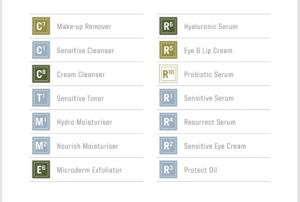
Wondering which skin care is suitable for Eczema? Check out these products from Esse. For a customized consultation, contact.