Bacteria on the skin are just as important as in the intestines.

Scientific research has shown that healthy skin is made up of billions of bacteria. These bacteria are not only on the skin surface, but also much deeper in your skin structure. There the bacteria work together with skin cells and, when properly balanced, can provide radiant skin.
Yet many people suffer from skin problems. How is that possible?
Studies show that our generation has about 30% less skin bacteria than our ancestors. Contributing factors include: overuse of antibiotics, many cesarean sections, chemical ingredients in cosmetics and the fact that we are increasingly out of touch with nature. For example, tribesmen who live in nature and have little contact with the Western world have far more bacteria than we do, and it is precisely in them that skin conditions such as eczema and acne are virtually non-existent.
Time to get back to nature!
So a cure for skin conditions seems obvious: Avoid bad chemical ingredients and stop fighting bacteria and instead embrace them. Get back to nature! And going into nature has another benefit. It reduces stress, which in turn has a positive effect on the skin.
Pre- and Probiotic skin care
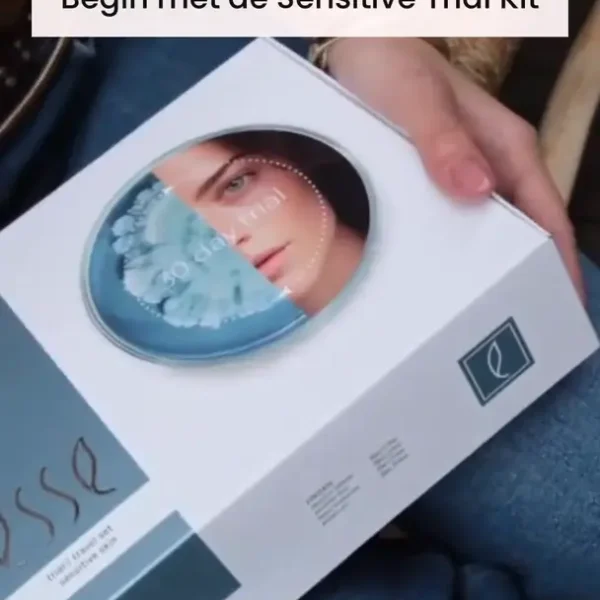
More and more cosmetics brands are also seeing the positive effect of a microbiome that is in balance and are adapting their products accordingly. Therefore, many brands today contain prebiotics (food for good bacteria), but there are also already brands that contain probiotics (good bacteria). Esse Probiotic Skincare is a leader in this, and they have even managed to get live bacteria into some products. Esse thus litters the skin with good bacteria that fight the bad guys that age the skin, and in addition, it nourishes the skin with prebiotics to restore the ecology of the skin to a healthy state. In short Esse tackles the mirobiome, thereby addressing skin problems and skin aging.